A few months after I got my very first period, my grandmother told me to be very careful not to sleep without underwear on-because snakes know when you have periods, and they like crawling ‘up there’. It took me a while to stop being absolutely horrified by this idea and to realise it was probably something my grandmother’s grandmother told her, that somehow she still believes is valuable advice.
Coming from a Portuguese background, I didn’t have sex ed at all in school; so I’m lucky that my first period arrived just days after my 12th birthday when I was home alone, and that my mum had given me all the important non-snake related information. When she finally got home I proceeded to break the news and tell her I had ‘sorted it out’.
We’re beginning to acknowledge the fact that periods aren’t talked about enough. It’s something that affects a huge proportion of the population, and often in incredibly varying ways.
I was fortunate enough to have my mother explain everything to me beforehand but the truth is that, 11 years later, some people still get their first period without having a clue it was coming.
The way we experience periods is often highly conditioned by religious backgrounds, societal structure and family beliefs: even though we speak more freely than ever about periods, the way we experience them is still very different around the world. And even more surprisingly, the way we experience menstruation is extremely different to the way our mothers and grandmothers did.
It’s not only about the feminist uprising, and the fact that more and more of us can say we have ‘period cramps’ instead of ‘lady problems’, but about all of the medical advances, and the ever-growing list of options for ‘sorting it out’! From the contraceptive options that can rid you of your period altogether, to the rise of the eco-friendly products such as menstrual cups, things really are very different to how they were only 50 years ago.
When I asked my mum if we could sit down together over a cup of tea and talk about how different our experiences of periods are, she only had one objection: that I didn’t make her ‘sound like a dinosaur’-so here’s the disclaimer that my mother is definitely human and she’s ‘not even 50 yet’.
Menarche (your first period)
My mum happened to grow up in a very rural little village and go to a very religious school, so there were a lot of differences in the way we dealt with periods at the very start.
“I don’t remember how I knew about it, but when I first got it I knew what it was. My mother didn’t tell me, and a catholic school wouldn’t dream of teaching about such a dirty thing, so I must have learnt it from other girls in school.”
I thank her for being considerate enough to teach my sister and I about the whole process.
Contraception
The conversation quickly turns to contraception. Both my mum and I were on the pill, and she switched to the IUD after deciding she didn’t want any more children. But we do both agree that had we known about the implant or the injection earlier, we definitely would have tried it. It’s often a surprise to me that people don’t know that stopping your periods altogether is an option – and one that so many people who suffer from particularly painful or heavy periods could benefit from.
Apps
I immediately tell my mother about the new ‘contraceptive app’ trend because it’s something I’m sure she’s never heard about and that will blow her mind a little. It does, but only at first: “that is one of the best uses of technology that benefits period-havers I’ve ever seen”. What’s fascinating about the rise of contraceptive apps and menstrual data trackers is that it helps the users get to know their body and their cycle better and gives researchers much needed stats on menstruation-although the stigma is dying, it still affects science heavily.
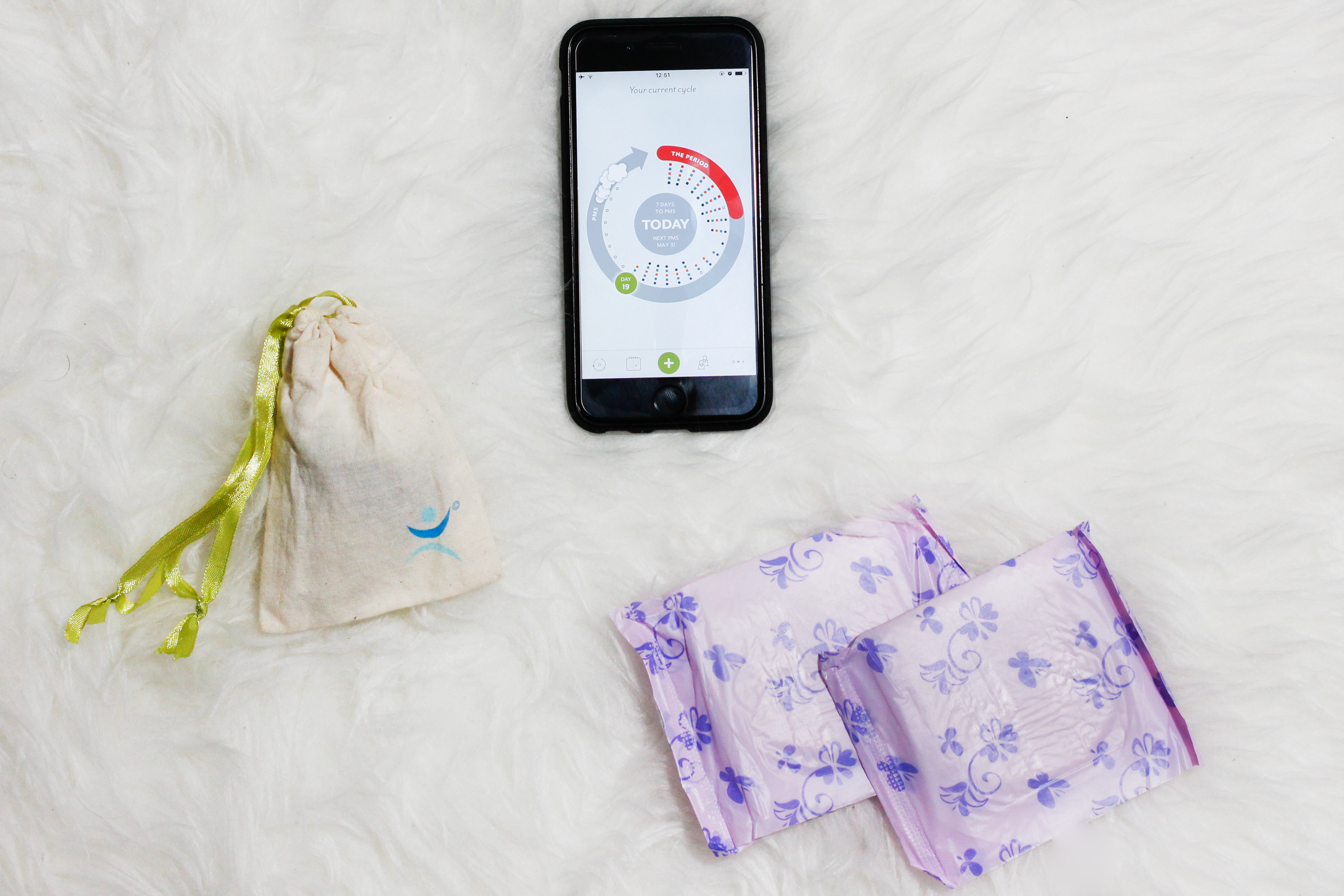
I have personally used Clue for about two years now. Clue is a cycle tracker with a ton of different tracking options (pain, cravings, mood, hair, skin are only some of them) and it’s NOT pink, which I’m sure we’ll all agree is a much-needed bonus. Clue has also created a community of “ambassadors” and is working hard to break the stigma.
Cups vs Pads vs Tampons vs Undies vs Sponges vs Rags
For the last two years, I have used a menstrual cup as my only form of sanitary product, which baffles my mother, who thinks they look rather scary. However, she’s not surprised people are going back to reusable products like the cups, the rags and the undies; all of which are becoming increasingly popular. When you look at it, you have the terrible environmental impact of hygiene products that is massive and growing; and additionally, the unsustainable prices of these products (especially considering they are still taxed as “luxury products”). Sometimes it is weird seeing things come full circle, but in this case, the ‘if it ain’t broke, don’t fix it’ factor wins.
My mother is fascinated by period underwear, which she didn’t know about. These are arguably the most recent invention for people who deal with periods (sponges were used by the Greek, cups have been around since the 20th century) and are basically leak-free underwear you free bleed onto. My mum thought they’d look like nappies, but after seeing a few pictures, she was pretty much in love.
“That is the real difference, not how you experience periods, but all the different options you have! It totally is a personal preference and what works for you won’t work for other people, but it’s a much easier choice when you’ve got to pick between pads and pads.”
At the end of the day, we all do periods differently. While one part or another of my chat with my mum will sound familiar to most people, there is always the fact that this is a very Western experience of menstruation. I could not go without pointing out that in some parts of the world, due to social acceptance or religious beliefs (or, more often than not, both), people still have very different, harder challenges during their cycles: some are not allowed to leave the house or have any contact with men at all, some are confined to makeshift huts for the duration of their period, some are not allowed to cook and some have to take a ceremonial bath at the end of their period to ‘cleanse’ them.
Although my mum and I are very close and our conversations are generally rather unfiltered, this was the first time I sat down with her and had a conversation to this depth and I couldn’t recommend it enough. Gather your family and friends around and have a good old period chat.
And if you’re not that type, well, I wrote this so you don’t have to.
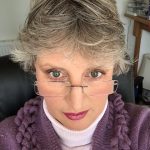
Photo: Mia Rita.